Top 10 Brain-Boosting Foods: What Actually Improves Cognitive Performance
Get the short answer first, then use the benchmarks, examples, and BrainRivals practice links to turn the idea into a measurable result.

Quick Answer
This guide turns an abstract idea about mental performance into something you can notice, measure, and improve. The fastest way to use it is to read the benchmark first, compare it with your own context, then run a related BrainRivals test under the same conditions for a cleaner before-and-after signal.
Key takeaways
- Start with the practical benchmark, not the trivia.
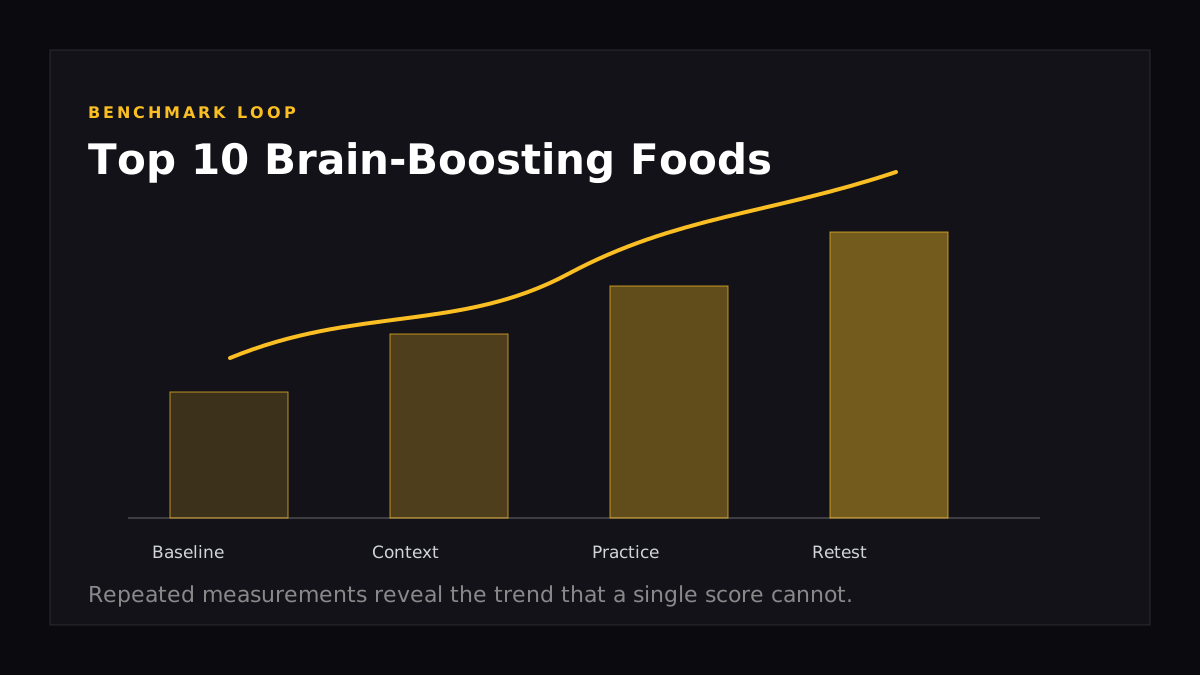
- Treat one score as a snapshot and repeated scores as the real signal.
- Use the Number Memory as the next measurable step.
How to Use This Guide
Use the article in three passes: scan the quick answer, check the tables or examples that match your situation, then pick one action to test this week. That keeps the article useful even if you only have a few minutes, while still giving you enough detail to come back for deeper context.
Your brain is 2% of your body weight but consumes 20% of your energy. What you eat directly affects cognitive performance—attention, memory, processing speed, all of it.
Most "brain food" marketing is nonsense. But some foods have solid research backing real cognitive benefits. Here are the 10 that actually work.
1. Fatty Fish (Salmon, Mackerel, Sardines)
Key Nutrient: Omega-3 polyunsaturated fatty acids (EPA and DHA)
Cognitive Benefit: Improved memory, reduced cognitive decline, faster processing speed
The Research: Meta-analyses of prospective studies show that omega-3 consumption correlates with slower cognitive decline in aging. DHA specifically is a structural component of neuronal membranes—your brain literally uses it to build itself.
Dosage: 2-3 servings/week of fatty fish provides adequate omega-3s for cognitive benefit.
Mechanism: Omega-3s:
- Reduce neuroinflammation
- Improve synaptic plasticity (the brain's ability to form new connections)
- Support myelin formation (neural insulation that speeds signal transmission)
- Reduce oxidative stress
Reality check: Benefits take weeks to accumulate. One salmon dinner won't improve your reaction time tomorrow. But consistent intake shows measurable effects on processing speed and memory over 8-12 weeks.
2. Blueberries
Key Nutrient: Anthocyanins (flavonoid pigments)
Cognitive Benefit: Improved memory, reduced cognitive decline, faster information processing
The Research: A landmark study published in American Journal of Clinical Nutrition found that blueberry consumption improved memory performance in older adults. The effect was measurable after 12 weeks of daily consumption.
Dosage: 1 cup fresh (or ~1/2 cup frozen) daily shows benefits in studies.
Mechanism: Anthocyanins:
- Cross the blood-brain barrier
- Reduce age-related neuroinflammation
- Improve signaling between neurons
- Protect against oxidative damage
Why blueberries specifically? They have the highest anthocyanin concentration per serving among common fruits. Blackberries and dark grapes are close alternatives.
Reality check: Blueberries won't make you smarter. They slow cognitive decline and maintain existing function. For healthy young people, the effect is minimal. For aging brains, the effect is meaningful.
3. Dark Chocolate (70%+ Cocoa)
Key Nutrient: Flavanols + caffeine + theobromine
Cognitive Benefit: Improved attention, faster reaction time, better working memory
The Research: Cocoa flavanols improve cerebral blood flow, which correlates with improved attention and processing speed. The caffeine component provides acute attention benefits. Studies show measurable improvements within 30-60 minutes of consumption.
Dosage: 30-50g dark chocolate (70%+ cocoa) provides ~300-400mg flavanols plus ~15-30mg caffeine.
Mechanism:
- Flavanols: Increase nitric oxide, improving blood vessel function and cerebral blood flow
- Caffeine: Blocks adenosine receptors, increasing alertness
- Theobromine: Mild stimulant, mood enhancement
Reality check: This is the one that works acutely. Eat dark chocolate 30 minutes before a test or cognitive task and you'll notice the difference. Long-term benefits from daily consumption are smaller.
The catch: Benefits require 70%+ cocoa. Milk chocolate with added sugar largely negates the cognitive benefit (sugar spike and crash cancels the flavanol effect).
4. Eggs
Key Nutrient: Choline
Cognitive Benefit: Improved memory formation, faster processing speed, better attention
The Research: Choline is a precursor to acetylcholine, a neurotransmitter essential for memory formation and attention. Studies show that adequate choline intake correlates with better cognitive performance across age groups.
Dosage: 2-3 eggs/day provides adequate choline (150-200mg per egg).
Mechanism: Choline:
- Supports acetylcholine production
- Maintains cell membrane integrity
- Supports myelin formation
- Critical for memory consolidation during sleep
Why eggs specifically? They're one of the densest natural sources of choline. Chicken, beef, and fish also contain choline, but eggs are the most accessible.
Reality check: Choline benefits are cumulative. Consistent egg consumption improves memory formation and cognitive function over weeks.
5. Nuts and Seeds (Almonds, Walnuts, Pumpkin Seeds)
Key Nutrient: Vitamin E + minerals (magnesium, zinc)
Cognitive Benefit: Reduced cognitive decline, improved processing speed, better working memory
The Research: Vitamin E is a fat-soluble antioxidant that protects neurons from oxidative damage. Studies show that higher vitamin E intake correlates with slower cognitive decline in aging.
Dosage: 1 ounce daily (23 almonds, 14 walnut halves) provides adequate vitamin E.
Mechanism:
- Vitamin E: Antioxidant protection against age-related neuronal damage
- Magnesium: Essential for neuroplasticity and synaptic transmission
- Zinc: Critical for memory consolidation and immune function
Reality check: Like blueberries, nuts slow cognitive decline more than they enhance peak performance. For maintenance and long-term brain health, they're excellent.
6. Leafy Greens (Spinach, Kale, Collards)
Key Nutrient: Nitrates (NO₃⁻)
Cognitive Benefit: Improved processing speed, better memory, reduced cognitive decline
The Research: Leafy greens contain dietary nitrates that convert to nitric oxide in the body. Nitric oxide improves blood vessel function and cerebral blood flow. Studies show that high nitrate intake correlates with faster processing speed and better executive function.
Dosage: 1-2 cups daily fresh (or ~1/2 cup cooked) provides adequate nitrates.
Mechanism: Nitric oxide:
- Dilates blood vessels, improving cerebral blood flow
- Supports mitochondrial function
- Reduces oxidative stress
- Enhances synaptic plasticity
Why it matters: This is one of the clearest diet-cognition relationships. Processing speed improvements from increased nitrate intake are measurable within 2-4 weeks.
Reality check: Cooked greens have reduced nitrates compared to raw. Steaming preserves more nitrates than boiling.
7. Beets
Key Nutrient: Dietary nitrates (even higher concentration than leafy greens)
Cognitive Benefit: Improved blood flow, faster processing speed, better executive function
The Research: Beet juice studies show acute improvements in cerebral blood flow and cognitive performance. One study found that beet juice consumption improved processing speed by ~4% acutely.
Dosage: 250-500ml beet juice (or 1-2 beets daily) provides ~500mg nitrates.
Mechanism: Same as leafy greens (nitrates → nitric oxide → improved blood flow), but at higher concentration.
Why beets? They're the densest naturally occurring source of dietary nitrates. Beet juice provides rapid nitrate delivery.
Reality check: Beets show acute effects (30-90 minutes post-consumption). Unlike long-term brain food benefits, beet juice improves processing speed the day you eat it.
8. Turmeric
Key Nutrient: Curcumin
Cognitive Benefit: Reduced neuroinflammation, improved memory, slower cognitive decline
The Research: Curcumin crosses the blood-brain barrier and reduces amyloid plaques and neuroinflammation. Animal studies are very promising. Human studies are less extensive but show measurable cognitive benefits with consistent use.
Dosage: 500-1,000mg curcumin daily (requires supplement or large turmeric quantities).
Mechanism: Curcumin:
- Anti-inflammatory (targets NF-κB pathway)
- Antioxidant
- Supports neuroplasticity
- Reduces amyloid-β accumulation
The catch: Curcumin has poor bioavailability. Black pepper (piperine) increases absorption ~2,000%. Turmeric + black pepper is more effective than turmeric alone.
Reality check: This is long-term preventative medicine. Effects emerge over months, not days. For cognitive maintenance and reducing neurodegeneration risk, it's solid.
9. Avocado
Key Nutrient: Monounsaturated fats + lutein
Cognitive Benefit: Improved memory, faster processing speed, better cognitive function
The Research: Avocados' monounsaturated fat supports cerebral blood flow. Lutein is a xanthophyll carotenoid that concentrates in the brain and protects against oxidative damage. Studies show that avocado consumption correlates with better cognitive performance.
Dosage: 1/2-1 avocado daily provides adequate monounsaturated fats and lutein.
Mechanism:
- Monounsaturated fats: Support neuronal membrane structure and blood flow
- Lutein: Brain antioxidant, visual processing support
- Folate: B-vitamin supporting methylation and neurotransmitter synthesis
Reality check: Avocados are a solid cognitive food. The effect is moderate but consistent.
10. Water
Key Nutrient: H₂O (literally)
Cognitive Benefit: Improved attention, faster reaction time, better working memory
The Research: Dehydration impairs cognitive performance measurably. Studies show that 1-2% dehydration (before you feel thirsty) reduces attention by ~10% and slows reaction time by ~5%.
Dosage: 2-3 liters daily for most people (varies by activity, climate, body size).
Mechanism: Dehydration:
- Reduces cerebral blood flow
- Impairs neurotransmitter synthesis
- Disrupts electrolyte balance
- Increases cognitive fatigue
Reality check: This is the single most underrated cognitive enhancement. Most people are mildly dehydrated. Drinking water improves cognition more measurably than any food supplement.
Brain Food Effectiveness Summary
| Food | Acute Effect? | Long-term Effect? | Strength of Evidence | Best For |
|---|---|---|---|---|
| Fatty Fish | No | Yes | Strong | Long-term memory, decline prevention |
| Blueberries | No | Yes | Strong | Decline prevention, working memory |
| Dark Chocolate | Yes | No | Strong | Pre-test cognitive boost |
| Eggs | No | Yes | Strong | Memory formation, learning |
| Nuts | No | Yes | Moderate | Antioxidant protection |
| Leafy Greens | No | Yes (acute possible) | Strong | Processing speed |
| Beets | Yes | No | Moderate | Pre-task processing speed |
| Turmeric | No | Yes | Moderate | Long-term neurodegeneration prevention |
| Avocado | No | Yes | Moderate | General cognitive health |
| Water | Yes | Yes | Strong | Baseline cognitive function |
The Practical Brain-Boosting Diet
Before a cognitive task (30-60 min prior):
- Dark chocolate (70%+ cocoa) – 30-50g
- Beet juice or 1-2 beets
- Ensure adequate hydration
- Avoid high-glycemic foods (sugar spike and crash impairs performance)
Daily diet for long-term cognitive health:
- 2-3 servings fatty fish/week
- 1 cup blueberries/day
- 2-3 eggs/day
- 1-2 cups leafy greens/day
- Handful of nuts/seeds daily
- Turmeric (with black pepper) daily
- 1/2-1 avocado daily
- 2-3 liters water/day
What to avoid:
- High-glycemic foods (white bread, sugary drinks, pastries) – cause blood sugar spikes and crashes that impair cognition
- Excessive alcohol – impairs memory formation and processing speed
- Ultra-processed foods – associated with cognitive decline
- Skipping meals – impairs attention and working memory
Want to test the effects? Establish your cognitive baseline with our Reaction Time and Number Memory tests. Then implement brain-boosting nutrition for 4 weeks (especially the acute strategies like dark chocolate and beets before testing). Re-test and compare. You should see measurable improvements in processing speed and memory, especially if you were dehydrated or nutritionally depleted beforehand.
Try It on BrainRivals
Reading about the concept is useful, but a repeatable score is more actionable. Run the Number Memory and Reaction Time tests, save your result, then repeat under similar conditions later. The trend matters more than a single best attempt.